The Nutritional Benefits of Sprouted Legumes: Why Sprouting Makes Pulses More Nutritious
Sprouted legumes are gaining attention as a nutritious, natural and sustainable food choice. Lentils, chickpeas, peas, beans and other pulses can undergo important nutritional changes during germination, potentially improving digestibility, nutrient availability and overall nutritional quality.
At ShaSha Horizon, our approach to nutrition and health innovation combines food science, practical product development and an understanding of natural processes such as sprouting and germination.
What Are Sprouted Legumes?
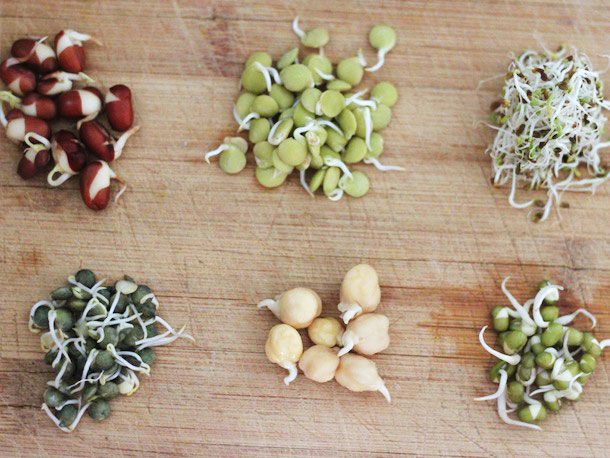
Sprouted legumes are beans, lentils, chickpeas, peas and other pulses that have been soaked and allowed to begin the natural germination process.
During germination, the dormant seed becomes metabolically active. Natural enzymes begin breaking down some of the compounds stored inside the seed to provide energy and nutrients for the emerging plant.
This process can change the nutritional composition, functionality and digestibility of the legume.
Common sprouted legumes include:
- Sprouted lentils
- Sprouted chickpeas
- Sprouted peas
- Sprouted mung beans
- Sprouted soybeans
- Sprouted black beans
- Sprouted adzuki beans
What Are the Nutritional Benefits of Sprouted Legumes?
Research suggests that sprouting can produce several beneficial changes in pulses and legumes.
Improved Nutrient Bioavailability
Legumes naturally contain valuable minerals, including iron, zinc, magnesium and calcium. However, they also contain compounds such as phytates that can bind to certain minerals and reduce their absorption.
The germination process can reduce phytate levels in some legumes, potentially making certain minerals more bioaccessible.
This is one reason sprouting and germination are increasingly being explored in natural and health-focused food development.
Increased Availability of Certain Vitamins
Sprouting can alter vitamin levels within legumes.
Research has reported increases in certain vitamins during germination, particularly vitamin C and some B vitamins, although the degree of change depends on the type of legume and the conditions used for sprouting.
This makes germination an interesting natural processing technique for developing more nutritious plant-based foods.
Improved Protein Digestibility
Legumes are an important source of plant-based protein, but their proteins are not always as easily digested as proteins from some other foods.
During sprouting, natural enzymatic activity begins breaking down complex storage compounds within the seed.
Research indicates that controlled germination may improve protein digestibility and influence the nutritional quality of pulses.
For companies developing high-protein and plant-based foods, sprouted legumes can therefore present interesting opportunities for clean-label product development.
Reduction of Anti-Nutritional Factors
One of the most researched benefits of sprouting is its potential to reduce certain anti-nutritional compounds naturally found in legumes.
These may include:
- Phytates
- Certain enzyme inhibitors
- Tannins and other phenolic compounds
- Some compounds associated with digestive discomfort
Reducing these compounds can potentially improve nutrient availability and digestibility.
Results vary depending on the legume variety, germination time, temperature and processing method. Sprouting should therefore be understood as a controlled food-processing technique rather than a universal solution.
Are Sprouted Legumes Easier to Digest?
Sprouting may help improve the digestibility of certain legumes by beginning the natural breakdown of complex carbohydrates, proteins and other stored nutrients.
This can be particularly valuable when developing foods intended to provide digestible plant protein and nutrient-dense ingredients.
However, digestibility depends on several factors, including the specific legume, sprouting conditions and how the final ingredient or food product is processed and cooked.
Sprouted Legumes in Clean-Label Food Product Development
Sprouted legumes have applications far beyond traditional health foods.
They can potentially be incorporated into:
- Plant-based protein products
- Functional foods
- Healthy snacks
- Sprouted flours
- Bakery products
- Pasta and noodles
- Soups and prepared meals
- Protein blends
- Sustainable food formulations
- Nutrient-dense foods
For food companies, the opportunity is to combine the nutritional qualities of legumes with appropriate germination and processing technologies to create products that are nutritious, appealing, scalable and commercially viable.
This fits directly into ShaSha Horizon’s approach to food consulting and clean-label product innovation, where formulation must consider not only nutrition but also ingredient functionality, taste, texture, shelf life, cost, regulatory requirements and commercial scalability.
Sprouted Legumes and Sustainable Food Production
Legumes already play an important role in the transition toward more sustainable food systems.
They provide plant protein and can contribute to agricultural systems through biological nitrogen fixation, potentially reducing dependence on synthetic nitrogen fertilizers when appropriately incorporated into crop rotations.
Sprouting adds another dimension by potentially improving the nutritional and functional properties of legumes through a relatively simple biological process.
As consumers increasingly search for natural, minimally processed, plant-based and sustainable foods, sprouted legumes offer interesting opportunities for food manufacturers.
Sustainability must also continue into manufacturing. Efficient processing, energy use, water management and waste reduction are important considerations when moving an innovative product from concept to commercial production. Learn more about ShaSha Horizon’s approach to sustainable food production and factory optimisation.
What Does Scientific Research Say About Sprouted Legumes?
Scientific research has investigated numerous nutritional effects associated with germination and sprouting.
A Review of Nutritional and Health Aspects of Sprouted Food
M.T. Awulachew (2022) reviewed nutritional and health aspects associated with sprouted foods, including changes in proteins, vitamins, minerals and other nutrients during germination.
The review discusses how sprouting may increase or improve the availability of certain nutrients while changing the overall nutritional characteristics of the seed.
Effect of Sprouting on the Nutritional Quality of Pulses
Research by D. Erba, D. Angelino, A. Marti and F. Manini examined how sprouting affects the nutritional characteristics of pulses.
The research provides useful insight into the relationship between germination, nutritional quality and digestibility.
Can Sprouting Reduce Phytate and Improve Nutrient Bioaccessibility?
Research by H. Elliott, P. Woods, B.D. Green and A.P. Nugent examined whether sprouting can reduce phytate and improve nutritional composition and nutrient bioaccessibility in cereals and legumes.
This is particularly relevant because phytate can influence the body’s ability to absorb certain minerals from plant foods.
Clean-Label Foods and the Move Toward Simpler Ingredients
The growing interest in sprouting is part of a larger movement toward foods made with recognizable ingredients and less reliance on unnecessary additives.
Consumers increasingly want to understand what is in their food, how it was produced and what nutritional purpose the ingredients serve.
For additional perspective, read our article on harmful ingredients permitted in food and cosmetics by Health Canada and the FDA.
The Future of Sprouted Legumes
Sprouting is an ancient natural process with increasingly modern applications.
As the food industry searches for ways to create healthier, more sustainable and minimally processed foods, sprouted legumes and sprouted pulses deserve greater attention.
Their combination of plant protein, fibre, micronutrients and potentially improved nutrient bioavailability makes them particularly interesting for the development of the next generation of plant-based foods.
At ShaSha Horizon, we believe food innovation does not always require creating something artificial or overly complicated. Sometimes innovation begins by better understanding nature and applying natural biological processes intelligently to modern food development.
Developing Sprouted, Natural and Sustainable Food Products
ShaSha Horizon works with food businesses, manufacturers and entrepreneurs interested in developing natural, nutritious and sustainable food products — including concepts involving grains, legumes, pulses, sprouting, germination and plant-based ingredients.
Successful food product development requires much more than identifying a nutritious ingredient.
It requires understanding:
- Formulation
- Ingredient functionality
- Processing
- Taste and texture
- Shelf life
- Food safety
- Regulatory compliance
- Manufacturing
- Scalability
- Sourcing
- Cost
- Consumer demand
Our approach connects food science with practical commercial experience to help move an idea from concept to commercialization and from farm to table.
Discover ShaSha Horizon’s food consulting and product development expertise.
References and Further Reading
Awulachew, M.T. (2022). A Review of Nutritional and Health Aspects of Sprouted Food.
Erba, D., Angelino, D., Marti, A., & Manini, F. Effect of Sprouting on the Nutritional Quality of Pulses.
Elliott, H., Woods, P., Green, B.D., & Nugent, A.P. Can Sprouting Reduce Phytate and Improve the Nutritional Composition and Nutrient Bioaccessibility in Cereals and Legumes?